Migraine Management
Vestibular Dysfunction
Health and Wellness
Medication
Therapeutic Strategies
Health
Alternative Therapy
Vestibular Migraines
Healthcare Consultation

Vestibular Migraines: Managing Dizziness and Vertigo

List of Contents

    Vestibular migraines cause dizziness, vertigo, and balance issues.

    Triggers include stress, certain foods, and sleep irregularities.

    Effective management combines lifestyle changes and medications.

    Cognitive-behavioral therapy helps with chronic migraine-related anxiety.

    Maintaining diaries aids in identifying symptoms and triggers.

    Acupuncture and nutritional changes may alleviate symptoms.

    Severe symptoms require immediate medical attention and assessment.

What Are Vestibular Migraines?

WhatAreVestibularMigraines?

Understanding the Mechanism Behind Vestibular Migraines

Vestibular migraines, often characterized by sensations of dizziness or vertigo, stem from complex interactions within the vestibular system. This system helps maintain balance and spatial orientation when we move. Research indicates that individuals experiencing vestibular migraines may have an altered sensitivity to sensory stimuli, leading to the perception of motion without actual movement.

The migraines themselves can be triggered by various factors, including stress, lack of sleep, and certain foods. A study published in the Journal of Neurology highlighted the correlation between migraine frequency and vestibular dysfunction, underscoring the need for comprehensive evaluations of patients with recurrent dizziness. Understanding these underlying mechanisms helps pave the way for tailored prevention strategies.

Effective Management Strategies for Vestibular Migraines

Managing vestibular migraines requires a multi-faceted approach that combines lifestyle modifications and medical interventions. Engaging in regular physical activity, maintaining a consistent sleep schedule, and avoiding known triggers can significantly impact frequency and severity. For many, keeping a headache diary to identify patterns and triggers is invaluable.

  • Avoid common food triggers such as aged cheese, alcohol, and caffeine.
  • Incorporate relaxation techniques such as yoga or meditation to reduce stress.
  • Consult with a healthcare professional about potential medications that can help prevent migraines.

On the medical side, treatments often include preventive medications like beta-blockers or anticonvulsants. It's essential for individuals to work closely with neurologists or headache specialists to find the right regimen tailored to their symptoms. Additionally, cognitive-behavioral therapy has shown promising results in helping patients cope with the psychological aspects of chronic dizziness and anxiety related to migraines.

Identifying Symptoms and Triggers

Understanding the Symptoms of Vestibular Migraines

Vestibular Migraines can present with a variety of symptoms that differ from typical migraine headaches. Patients often experience episodes of dizziness or vertigo, which can last from several minutes to several days. Additionally, many report symptoms such as imbalance, nausea, and even motion sensitivity, making everyday activities challenging.

Besides the vestibular symptoms, individuals may also experience aura, which can manifest as visual disturbances. These disturbances can include zigzag patterns, flashes of light, or blind spots, providing a multifaceted challenge when diagnosing these migraines. Understanding these symptoms is crucial for effective management and treatment.

Common Triggers of Vestibular Migraines

Identifying triggers is vital for managing vestibular migraines. Some common triggers include specific foods, stress, hormonal fluctuations, and changes in sleep patterns. For instance, aged cheeses, red wine, and processed meats can be dietary culprits that provoke episodes for some individuals.

Stress, both physical and emotional, is another significant trigger. Stress management techniques such as mindfulness and yoga can be beneficial in reducing the frequency of migraine episodes. Tracking these triggers can help patients gain insights into their specific patterns and develop a more tailored management plan.

Environmental triggers are also noteworthy. Bright lights, strong odors, and unexpected movements can trigger vestibular migraines in susceptible individuals. Keeping a detailed diary of situations that precede an episode can help identify personal triggers more accurately.

The Role of Lifestyle in Managing Symptoms

Lifestyle changes play a vital role in managing the Symptoms of vestibular migraines. Regular exercise can improve overall balance and reduce stress levels, which, in turn, might help decrease the frequency of migraine attacks. Activities like walking, swimming, or cycling, tailored to one’s ability, can promote a healthier lifestyle.

Maintaining a consistent sleep schedule is another essential aspect. Sleep deprivation or irregular sleep patterns can act as significant triggers. Establishing a routine can help enhance sleep quality and length, thereby reducing the likelihood of experiencing vestibular migraine symptoms.

Seeking Professional Help for Diagnosis

Recognizing the need for professional evaluation is crucial for individuals experiencing recurrent vestibular symptoms. A healthcare provider can conduct a thorough assessment, including a detailed medical history and, if necessary, imaging tests to rule out other conditions. Accurate diagnosis is important to direct appropriate treatment and management options.

Treatment Options for Vestibular Migraines

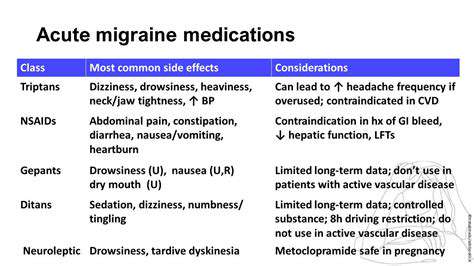
Treatment for vestibular migraines often requires a multi-faceted approach. Medications can range from over-the-counter pain relievers to prescription drugs like triptans or preventative medications such as beta-blockers and anticonvulsants. The choice of medication largely depends on individual response and frequency of episodes, emphasizing the importance of personalized treatment plans.

In addition to medication, lifestyle modifications and alternative therapies, such as vestibular rehabilitation therapy (VRT), can be helpful. VRT focuses on exercises to improve balance and reduce dizziness; many patients find it beneficial in conjunction with other treatments.

The Importance of Monitoring and Reporting Symptoms

Keeping a detailed symptom diary can significantly enhance the ability to manage vestibular migraines. Note the timing, duration, and intensity of symptoms, as well as any associated triggers or mitigating factors. This information can be invaluable during consultations with healthcare professionals, allowing for more informed treatment decisions.

Patients are encouraged to openly communicate with their healthcare providers about their symptoms and how frequently they occur. Such discussions can lead to more tailored treatment strategies and provide insight into effective coping mechanisms.

Effective Treatment Options

Pharmacological Interventions

Several medications have shown effectiveness in managing vestibular migraines. Triptans, commonly used to treat acute migraines, can also provide symptomatic relief for individuals experiencing vestibular symptoms. A study published in the ‘Headache’ journal found that triptans significantly reduced the severity and frequency of vestibular symptoms in participants diagnosed with vestibular migraines.

Another class of medications, including beta-blockers and anticonvulsants, may help in both preventive and acute phases. Propranolol, a beta-blocker, has been notably effective for many patients. According to various clinical guidelines, initiating a low dose and gradually adjusting it may yield better results while minimizing side effects.

Non-Pharmacological Strategies

In addition to medical therapies, non-pharmacological strategies are crucial for managing vestibular migraines effectively. Vestibular rehabilitation therapy (VRT) has gained recognition for alleviating balance issues and dizziness. Tailored exercises can help improve strength and coordination, which in turn can lessen the episodes of vertigo. Evidence from the ‘Journal of Vestibular Research’ suggests that VRT not only enhances physical balance but can also positively impact psychological well-being by reducing the fear associated with vertiginous episodes.

Dietary modifications can also play a role in managing vestibular migraines. Many patients report that triggering foods, such as aged cheeses and processed meats, often exacerbate their symptoms. Keeping a detailed food diary can help identify specific triggers, allowing individuals to adjust their diets accordingly. Furthermore, hydration and regular meal schedules may reduce the frequency of migraine attacks.

Lastly, Mindfulness and Stress-reduction techniques, such as yoga and meditation, have been shown to benefit migraineurs. A review in 'The Journal of Alternative and Complementary Medicine' indicated that practices promoting relaxation can help minimize stress-induced triggers leading to vestibular migraines.

The Role of Alternative Therapies

TheRoleofAlternativeTherapies

Understanding Vestibular Migraines

Vestibular migraines are a type of migraine that primarily impacts balance and spatial orientation. They can present symptoms like dizziness, vertigo, and imbalance, often even in the absence of a headache. According to the American Migraine Foundation, approximately 40% of people with migraines experience some vestibular symptoms. This condition can greatly disrupt daily activities and may lead to significant lifestyle changes.

Mechanisms Behind Alternative Therapies

Alternative therapies often target the neurological pathways and muscle tension that may contribute to vestibular migraine symptoms. These treatments can include acupuncture, herbal medicine, and various forms of physical therapy. Recent studies show that techniques like vestibular rehabilitation can improve balance and reduce dizziness, promoting a better quality of life for sufferers.

Understanding the body’s response to these therapies involves exploring the connection between stress, tension, and migraines. Research by the National Institutes of Health indicates that mind-body techniques can significantly diminish the frequency and intensity of migraine episodes. By addressing underlying issues like anxiety and muscle tension, patients may find additional relief.

Acupuncture as a Therapeutic Option

Acupuncture involves inserting thin needles at specific points in the body to balance energy flow, known as Qi. Studies have shown that acupuncture can reduce both the frequency and severity of migraines, including vestibular types. A clinical trial published in the journal Headache found that patients receiving acupuncture reported a 50% reduction in their migraine days per month.

It's essential for individuals considering this therapy to seek treatment from certified practitioners who specialize in managing migraines. Tracking symptoms before and after sessions can provide useful insights into the effectiveness of acupuncture for personal cases.

Nutritional Interventions

  • Eating a balanced diet can help manage migraine triggers.
  • Supplements like magnesium and riboflavin have shown efficacy.
  • Staying hydrated is crucial for reducing migraine frequency.

Certain dietary changes may also play a pivotal role in alleviating vestibular migraine symptoms. Incorporating foods rich in magnesium, such as nuts and leafy greens, can help prevent migraines. Additionally, riboflavin (vitamin B2) is backed by research indicating a significant decrease in migraine frequency when taken at high doses daily.

Moreover, maintaining hydration is often underestimated in its effectiveness. Dehydration can act as a migraine trigger, so ensuring fluid intake is vital for those prone to vestibular migraines.

Mindfulness and Stress Management

Mindfulness practices, including yoga and meditation, can effectively manage stress levels. Chronic stress is a known trigger for many migraine sufferers. A study published in the journal Neurology demonstrated that patients engaging in regular mindfulness exercises experienced fewer migraines and improved overall well-being.

The implementation of stress-reduction techniques can be simple and require minimal investment, making it accessible for most individuals. Simple breathing exercises, coupled with guided imagery, can also have profound effects in reducing tension and promoting a sense of calm.

Consulting with Healthcare Professionals

It’s vital for patients experiencing vestibular migraines to consult healthcare professionals before embarking on any alternative therapies. Neurologists or specialists in headache medicine can provide insight into the safest and most effective treatment options tailored to individual needs. Ongoing communication between patients and doctors can facilitate an integrated approach to managing migraines.

Regular follow-ups and monitoring will help ensure that the chosen alternative therapies align well with traditional treatments. This combined approach can help patients achieve better control over their symptoms, leading to a more manageable lifestyle.

When to Seek Medical Advice

Identifying Severe Symptoms

When dealing with vestibular migraines, it's crucial to recognize when symptoms escalate beyond typical discomfort. Severe Symptoms can include prolonged dizziness that hinders daily activities and persistent headaches. If dizziness lasts more than 72 hours or if headaches become debilitating, immediate medical attention is warranted. Both persistent symptoms and their severity can signal the need for a thorough examination to rule out other potential conditions.

Moreover, any sudden changes in symptoms, such as the development of hearing loss or changes in vision, should raise alarm bells. It's important to be vigilant — these changes might indicate complications or additional underlying issues. Consulting a healthcare professional for detailed evaluations, such as an MRI, can provide clarity and ensure appropriate treatment methods are employed.

Triggers That Require Prompt Intervention

Certain triggers can suggest a heightened risk for individuals suffering from vestibular migraines. For instance, frequent exposure to specific aromas or foods known to trigger migraines can lead to greater frequency or intensity of episodes. Keeping a detailed diary of these triggers may be beneficial for both patients and practitioners in identifying patterns that point to necessary lifestyle adjustments or medical interventions.

In addition, if a migraine occurs after engaging in activities like significant physical exertion or sudden changes in head position, this could indicate a need for immediate medical review. Engaging in preventive measures, such as managing stress or avoiding known triggers, can dramatically reduce the number of episodes experienced. Consulting a healthcare provider about preventive medication can also be a proactive step towards managing vestibular migraines effectively.

Read more about Vestibular Migraines: Managing Dizziness and Vertigo
Understanding Pain in the Head and Behind the Eye: Causes, Symptoms, and TreatmentMeta Description: Discover the common and rare causes of pain in the head and behind the eye. Learn about symptoms to watch for, when to seek medical attention, treatment options, and lifestyle adjustments that can help manage discomfort. ---Overview: Pain in the head and behind the eye can stem from various medical conditions like migraines, tension headaches, and sinusitis. Explore the numerous potential causes, from common issues to rare but serious conditions, alongside the impact of lifestyle factors. Recognize crucial symptoms and know when to seek medical help, along with effective treatment options and preventive measures. Key Sections:- Common Medical Conditions: Understand how migraines, tension headaches, and sinusitis contribute to discomfort.- Rare but Serious Conditions: Learn about the risks associated with cluster headaches, brain aneurysms, and optic neuritis.- Symptoms to Watch For: Identify key indicators of underlying conditions including visual disturbances and nausea.- When to Seek Medical Attention: Know when to consult a healthcare professional for severe or persistent symptoms.- Treatment Options: Explore over-the-counter medications, prescription treatments, and lifestyle adjustments for relief.- Preventive Measures: Discover how proper hydration, stress management, and regular eye check-ups play a role in prevention. Conclusion:Stay informed about the various factors contributing to pain in the head and behind the eye. Recognizing symptoms early can lead to better outcomes in treatment and overall health management. Call to Action: If you're experiencing persistent or severe pain, consult a healthcare provider to explore your symptoms and treatment options.
Oct 10, 2024
Understanding Conventional and Alternative Treatments for Chronic IllnessMeta Description: Discover essential insights on conventional medicine and alternative therapies for managing chronic illnesses. Learn about patient advocacy, lifestyle changes, and self-management strategies to enhance overall well-being and navigate the treatment process effectively.Keywords: conventional medicine, alternative therapies, chronic illness, patient advocacy, self-management, lifestyle changes, stress management, dietary impact, exercise importance, sleep healthOverview: This comprehensive guide explores the spectrum of treatments available for chronic illnesses, focusing on the role of conventional medicine and the benefits of alternative therapies. Gain a deeper understanding of how to advocate for your health, implement lifestyle changes, and build a supportive community to improve your overall quality of life. Key Topics Covered:- Understanding Conventional Treatments: Insight into standard medical practices and the importance of monitoring and adjusting treatment plans.- Alternative and Complementary Approaches: Explore various therapies that can enhance traditional medical treatments, including acupuncture and mindfulness.- Patient Advocacy and Self-Management: Strategies for taking control of your health, including symptom tracking and engaging with healthcare providers.- Lifestyle Changes: Discover the importance of diet, exercise, and stress management techniques in managing chronic conditions.- Navigating the Treatment Process: Tips for understanding your condition, exploring treatment modalities, and building a robust support system. Conclusion:Empower yourself with the knowledge and tools to effectively manage chronic illness, improve your health outcomes, and enhance your overall well-being.
Oct 11, 2024
A Simple Practice for Eye ReliefThe 20-20-20 rule is a simple guideline designed to reduce eye strain for those spending long hours in front of screens. It suggests taking a 20-second break to look at something 20 feet away every 20 minutes. This practice helps relax eye muscles and reduce fatigue, improving focus and productivity. Incorporating this rule into your routine can significantly alleviate symptoms of digital eye strain. Adjusting Screen Settings for Optimal ComfortProper screen settings can greatly reduce digital eye strain. Adjust your screen brightness to match ambient lighting and ensure text size and contrast are comfortable for reading. Position your screen at eye level and an arm's length away to prevent neck strain. Utilize blue light filters to reduce eye strain and improve sleep quality. Regular breaks and eye exercises, like the 20-20-20 rule, are essential for maintaining eye health. Ergonomic Workspace SetupAn ergonomic workspace setup is vital for reducing digital eye strain and associated headaches. Ensure your monitor is positioned at or slightly below eye level, and about an arm's length away. Use proper lighting to minimize glare and consider anti-glare screen protectors. Choose a chair that supports good posture, and take regular breaks to stretch and move around. Regular Eye Check-Ups and HydrationRegular eye check-ups are crucial for preventing digital eye strain-induced headaches. These check-ups help detect any underlying eye issues and ensure your prescription lenses are up-to-date. Staying hydrated is also essential for eye health, as it helps maintain moisture and reduces dry eye symptoms. Incorporate the 20-20-20 rule into your routine to further reduce eye strain.By implementing these strategies, you can effectively manage digital eye strain, improve comfort, and maintain overall eye health.
Oct 14, 2024
The Importance of Detailed Symptom Tracking in HealthcareMeta Description: Discover the critical role of symptom tracking in accurate diagnosis, treatment planning, and patient-provider communication. Learn how technology empowers patients and improves healthcare outcomes through comprehensive symptom logs. Keywords: symptom tracking, healthcare, diagnosis, treatment, patient-provider communication, mobile apps, wearable devices, telehealth, patient outcomes--- Explore the Importance of Detailed Symptom TrackingSymptom tracking is essential for accurate diagnosis and treatment in healthcare. By documenting symptoms over time, providers can uncover patterns and tailor individualized care. Learn about how tracking improves communication between patients and providers, enhances treatment adjustments, and fosters empathy in patient care.Harnessing technology such as mobile applications and wearable devices can make symptom tracking more efficient. These tools empower patients to manage their health actively, leading to improved adherence to treatment and better overall health outcomes. Key Benefits of Symptom Tracking- Enhanced Diagnosis: Identify patterns that inform precise treatments.- Improved Communication: Facilitate in-depth discussions during appointments.- Data-Driven Adjustments: Allow for personalized treatment plans based on real-time updates.- Empathy in Care: Understand the emotional context of symptoms to provide holistic care.- Increased Patient Engagement: Encourage patients to take an active role in their healthcare journey. ConclusionEffective symptom tracking not only enhances diagnosis and treatment strategies but also promotes patient empowerment and satisfaction. By utilizing technology and fostering open communication, patients and healthcare providers can collaborate for better health outcomes.Learn more about the transformative power of symptom tracking in patient care!
Oct 18, 2024
Health symptoms, medical attention, chronic fatigue, unexplained weight loss, severe headaches, health strategies.*
Nov 03, 2024
Understanding Throbbing and Sharp PainExplore the critical aspects of throbbing and sharp pain in this comprehensive guide. Discover the characteristics and common causes of these types of pain, including migraines, vascular disorders, injuries, and nerve irritation. Learn how to effectively document your symptoms for better diagnosis and treatment, and understand when to seek medical attention for urgent pain episodes. This page outlines various treatment options, from medications and physical therapies to alternative approaches, and emphasizes the importance of tailored management strategies for improved quality of life. Gain valuable insights into pain triggers, self-care practices, and the importance of timely medical consultations for optimal pain relief.
Nov 19, 2024
Understanding Common Symptoms for Better Health ManagementExplore the essential guide to recognizing common physical and mental symptoms that can indicate underlying health issues. This comprehensive article covers the importance of identifying symptoms such as fatigue, changes in appetite, pain, and sleep disturbances, as well as mental health concerns like anxiety and depression. Learn when to seek medical attention and the preventive measures you can take to maintain your well-being. Empower yourself with knowledge to improve your health and quality of life.
Dec 13, 2024
Symptoms, Causes, and RemediesExperiencing lower left head pain can be troubling and disruptive. On this page, we delve into the common symptoms associated with this condition, potential causes, and effective remedies to manage and alleviate the pain. Symptoms of Lower Left Head PainIndividuals suffering from lower left head pain often report a range of symptoms. These may include:- Throbbing or Pulsing Sensations: Commonly associated with migraines, these sensations can severely impact daily activities.- Sharp, Stabbing Pain: This localized pain may indicate acute conditions such as trigeminal neuralgia or cluster headaches.- Dull, Aching Pain: Persistent discomfort can arise from various causes, including muscle strain or tension headaches.Accompanying symptoms, like nausea, light sensitivity, and visual disturbances, can compound the discomfort. These are particularly prevalent during migraine episodes, emphasizing the intricate relationship between headaches and gastrointestinal disturbances. Potential CausesLower left head pain can stem from various issues: Muscle Strain and TensionPoor posture and prolonged screen time often result in muscle strain in the neck and shoulders, contributing to headaches. Tension-type headaches affect a significant portion of the population, highlighting the importance of addressing muscle health for headache relief. Sinus IssuesSinusitis can cause referred pain in the head. Symptoms include nasal congestion and facial pressure, which may mask underlying headaches. MigrainesMigraines frequently present as localized lower left head pain. Identifying personal triggers is crucial for effective management, as these headaches can be debilitating. Nerve CompressionConditions like cervical spondylosis may lead to nerve irritation, causing sharp pain in the lower left head region. Recognizing associated symptoms can assist in accurate diagnosis. Effective Remedies for ReliefAddressing lower left head pain involves understanding its root causes. Here are some immediate remedies:- Home Remedies: Applying a cold compress can reduce inflammation. Staying hydrated and consuming herbal teas can also alleviate discomfort.- Medications: Over-the-counter options, such as ibuprofen or acetaminophen, can provide relief. If pain persists, consulting a healthcare professional may be necessary for tailored treatment plans.- Preventive Strategies: Keeping a headache diary to identify triggers, maintaining good posture, and regular exercise can significantly reduce headache frequency. When to Seek Medical HelpIt's essential to be aware of serious accompanying symptoms, such as visual disturbances or severe headache changes, which could indicate underlying conditions requiring immediate attention. Seek medical advice if treatment options are ineffective or if pain escalates. ConclusionLower left head pain can be managed effectively with a mixture of at-home remedies, lifestyle adjustments, and medical intervention when necessary. Understanding the symptoms and potential causes empowers individuals to take control of their health and enhance their quality of life. For more detailed information on managing lower left head pain, explore our resources on related topics and preventative strategies.
Apr 09, 2025
A Key ContributorSinusitis, the inflammation of the sinus cavities, is one of the most prevalent causes of frontal head pain when coughing. Congested sinuses can create additional pressure during coughing, resulting in sharp forehead pain. With chronic sinusitis affecting roughly 10% of adults, recognizing and seeking treatment can help alleviate symptoms significantly. Muscle TensionMuscle tension in the neck and shoulders can lead to referred pain in the frontal area of the head. Coughing engages these muscles, potentially triggering pain, especially for those predisposed to tension headaches. Through physical therapy, stretching exercises, and improved posture, individuals can manage this kind of pain effectively. Allergies and InflammationAllergic reactions often lead to coughing, which in turn can cause inflammation in the frontal area, contributing to pain. Allergies commonly result in sinus pressure that intensifies discomfort during coughing episodes. Identifying and managing environmental triggers with antihistamines can provide relief and reduce the likelihood of recurring frontal head pain. Respiratory InfectionsFrequent coughing during respiratory infections like the common cold or flu can also contribute significantly to frontal head pain. The widespread inflammation these infections cause leads to headaches in over 60% of cases. Appropriate medication, hydration, and rest are essential for managing these symptoms. When to Seek Medical AttentionIt is imperative to know when to seek medical advice for frontal head pain accompanying coughing. Symptoms that persist, worsen, or are accompanied by fever, confusion, or vision changes warrant professional evaluation. By keeping detailed records of symptoms and their duration, healthcare providers can offer more tailored treatment plans. Key Symptoms to MonitorAdditional symptoms like nasal congestion, dizziness, fever, or visual disturbances may suggest a more serious condition and require immediate medical attention. Recognizing these signs early can lead to faster diagnosis and treatment, improving outcomes. Treatment and Management OptionsTreatments for frontal head pain should begin with identifying the underlying cause. Depending on the diagnosis, various management strategies, from over-the-counter medications for pain relief to more specific prescription medications, may be recommended.Incorporating preventive measures such as hydration, nasal hygiene, and lifestyle adjustments can also help reduce the frequency and severity of symptoms. Keeping a symptom diary to track changes can assist in developing effective coping strategies.In conclusion, while frontal head pain when coughing can stem from numerous causes, understanding these factors and monitoring accompanying symptoms can greatly enhance your health management approach. If you experience persistent or worsening pain, reach out to a healthcare professional for personalized care.
Apr 15, 2025
Surprising Migraine Triggers You Might Be Overlooking
May 10, 2025
Migraine Management for Shift Workers
May 27, 2025
Combining Acute and Preventive Migraine Therapies
Jul 08, 2025
View Blog>>