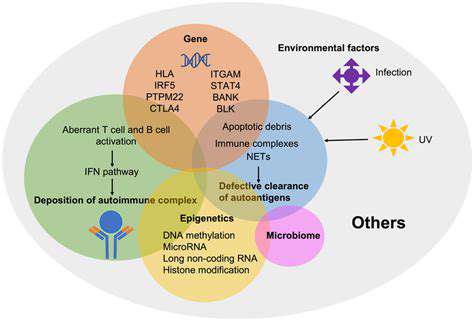
While genetics plays a crucial role, environmental factors are equally significant in triggering migraines. Stress, dietary choices, hormonal changes, and sleeping patterns are just some of the elements that can provoke an attack. A survey conducted by the Migraine Trust found that over 60% of migraine sufferers identified stress as a leading trigger, highlighting the importance of lifestyle in managing this condition.
Furthermore, exposure to certain environmental toxins and pollutants is becoming a growing area of research in relation to migraines. Studies have found correlations between high levels of air pollution and increased migraine frequency, suggesting that mitigating exposure to these environmental factors may help in treatment and prevention strategies.
The Interaction Between Genetics and Environment
The interaction between genetic predisposition and environmental influences is complex and multifaceted. While genetic factors may create a susceptibility to migraines, the environment often plays a decisive role in whether or not an individual experiences an attack. This bi-directional influence is evident in cases where those with a genetic predisposition only develop migraines under specific environmental conditions.
Research has also demonstrated that individuals with a strong family history of migraines can sometimes leverage lifestyle changes to mitigate their risk. For instance, adopting mindfulness and stress-reduction techniques may be particularly beneficial for those who are genetically prone to migraines.
Clinical Implications: Genetic Testing and Counseling
Understanding the genetic basis of migraines opens up new avenues for management and treatment. Genetic testing can help identify individuals at high risk, facilitating earlier interventions. For example, a person with a known family history of migraines might benefit from proactive lifestyle adjustments or preventive medication, guided by genetic insights.
Moreover, genetic counseling can provide valuable resources for families with a history of migraines. By discussing the inheritance patterns and potential risk factors, counselors can educate families on how to manage symptoms and recognize triggers, potentially reducing the burden of this condition.
Future Research Directions
The interplay of genetics and environmental factors in migraines continues to be a hot topic for research. Investigating the precise Genetic Variants Associated with migraines will help us understand the biological mechanisms behind the condition. Recent studies are also looking into how gene-environment interactions modify the risk of migraines, providing a richer understanding of this neurological disorder.
Future research could explore gene editing technologies to potentially correct mutations associated with migraines, although this remains speculative at this stage. Collaborative studies that incorporate genetic, environmental, and lifestyle factors would provide a comprehensive view of migraine pathophysiology.
Personalized Treatment Plans for Migraine Sufferers
Given the dual influences of genetics and the environment, personalized treatment plans are increasingly becoming the norm. Healthcare providers are encouraged to consider a patient's family history alongside lifestyle and environmental factors when recommending treatment options. This individualized approach not only addresses the condition more holistically but may also enhance treatment efficacy.
For instance, a patient with a strong genetic predisposition to migraines and significant exposure to stress might benefit from a combination of medication and stress management techniques. Exploring alternative therapies such as acupuncture or cognitive behavioral therapy (CBT) could offer additional relief tailored to the individual's specific circumstances.
Community Support and Resources
Support groups and community resources can play a vital role in managing migraines, especially in families with a hereditary component. Engaging with others who face similar challenges can provide not only emotional support but also practical advice on coping strategies. Forums and local support groups allow individuals to share experiences and destinies, fostering a sense of community resilience.
In addition, various organizations, such as the American Migraine Foundation, offer a plethora of resources on managing migraines. From educational materials to webinars and workshops, these resources help individuals better understand their condition and navigate the complexities of living with migraines.
Implications for Treatment and Prevention

Genetic Insights into Migraine Management
Understanding the genetic basis of migraines can transform treatment approaches. Identifying specific genetic markers can aid in tailoring personalized treatment plans. Recent studies suggest that individuals with a family history of migraines exhibit particular gene patterns, impacting their susceptibility and response to therapies. This insight opens the door for precision medicine in managing migraines, allowing healthcare professionals to select medications that are more likely to be effective based on genetic profiles.
The variation in response to available migraine treatments often correlates with genetic predispositions. For instance, variations in the TRPV1 gene have been observed in patients who respond favorably to certain triptans. As research continues, it’s vital for clinicians to stay updated on genetic testing advancements that might inform better management strategies.
Prevention Strategies Tailored to Genetics
- Genetic testing can identify high-risk individuals.
- Preventive measures can be customized based on genetic markers.
- Awareness of familial migraine patterns helps in early intervention.
Preventative strategies for migraines are evolving, particularly with genetic insights. When healthcare providers recognize genetic predispositions, they can implement tailored preventive measures effectively. For example, lifestyle changes such as diet modifications or specific anti-inflammatory medications can be suggested based on an individual's genetic makeup. These modifications may significantly reduce the frequency of migraine attacks in genetically susceptible individuals.
Additionally, the implementation of monitoring programs aimed at those with a hereditary background can increase awareness about lifestyle triggers that may lead to migraines. By understanding potential genetic factors, individuals can consciously adapt their habits to mitigate risks, thereby leading to improved quality of life.
The Future of Genetic Research in Migraine Treatment
The future of migraine treatment lies heavily in the realm of genetics. Advanced genetic research is continuously revealing new information about how certain genes affect migraine mechanisms and responses to therapies. It is crucial for ongoing studies to delve deeper into the consequences of genetic variations on migraine pathology. This burgeoning field holds the potential for developing new therapeutic strategies. Researchers are investigating the roles of various genes linked to neurotransmitter regulation, pain perception, and vascular responses.
Moreover, clinical trials incorporating genetic profiles are essential for assessing how these variations impact treatment outcomes. Emphasizing the significance of familial patterns can lead to breakthroughs in identifying effective preventive treatments. As the understanding of migraine genetics advances, it could pave the way for innovative approaches and improved patient quality of life in the management of migraines.
Read more about