Understanding Dehydration and Its Effects
Dehydration occurs when the body loses more fluids than it takes in, leading to an imbalance that can affect physical and cognitive functions. In fact, studies have shown that even mild dehydration, defined as losing just 1-2% of body weight in water, can impair Cognitive Performance and lead to headaches, which is a common precursor to migraines.
Looking at the statistics, approximately 75% of Americans are chronically dehydrated, and this can have significant impacts on health. Research has indicated that proper hydration not only reduces headache frequency but also enhances overall physical performance. Those prone to migraines should pay close attention to their fluid intake.
Signs and Symptoms of Dehydration
Recognizing the signs of dehydration is crucial for effective management. Common symptoms include dry mouth, fatigue, and increased thirst. For migraines suffers, frequent headaches may be an early warning. An important indicator to watch is urine color; a darker shade suggests a need for more hydration, whereas pale yellow indicates proper hydration levels.
Preventing Dehydration in Daily Life
To prevent dehydration, it is essential to establish a routine that ensures adequate fluid intake throughout the day. A good rule of thumb is to aim for at least 8 glasses of water daily, but this can vary based on factors such as activity level and climate. Additionally, including water-rich foods, like fruits and vegetables, can substantially contribute to hydration.
Moreover, it's smart to carry a reusable water bottle, ensuring you always have access to fluids. Setting reminders on your phone can also encourage regular drinking, especially for individuals who might forget during busy workdays.
The Connection Between Dehydration and Migraines
The link between dehydration and migraines is well-documented in scientific literature. Studies indicate that dehydration can trigger migraines in individuals with a susceptibility to them. This is likely due to changes in blood flow and increased stress levels that come with inadequate hydration. Addressing this issue allows for the potential to reduce the frequency and severity of migraine attacks.
For those who experience chronic migraines, consulting with a healthcare provider regarding personalized hydration strategies is advisable. This could involve tracking fluid intake and making necessary adjustments based on lifestyle and symptom patterns. Integrating hydration awareness into daily routines can be a game-changer for migraine management.
2. Sleep Patterns: The Double-Edged Sword

Understanding Sleep Cycles
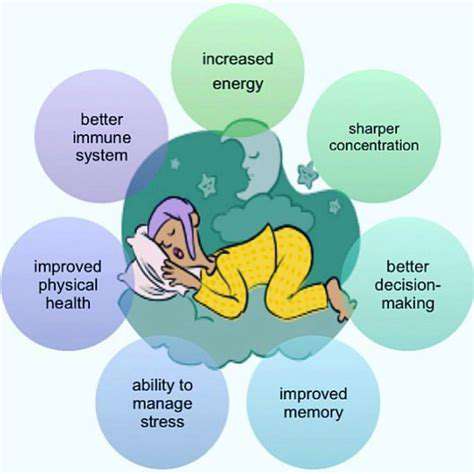
Sleep is composed of several cycles that include different stages, primarily REM (Rapid Eye Movement) and non-REM sleep. Each cycle lasts about 90 minutes and typically repeats four to six times throughout a night's rest. A disruption in these cycles can profoundly affect overall health, including increased vulnerability to migraines.
The stages of sleep are crucial for brain function and physical restoration. For instance, non-REM sleep aids in physical recovery, while REM sleep plays a vital role in cognitive processing and memory consolidation. Understanding your own sleep cycles can help in identifying patterns that trigger discomfort or headaches.
The Link Between Sleep Quality and Migraines
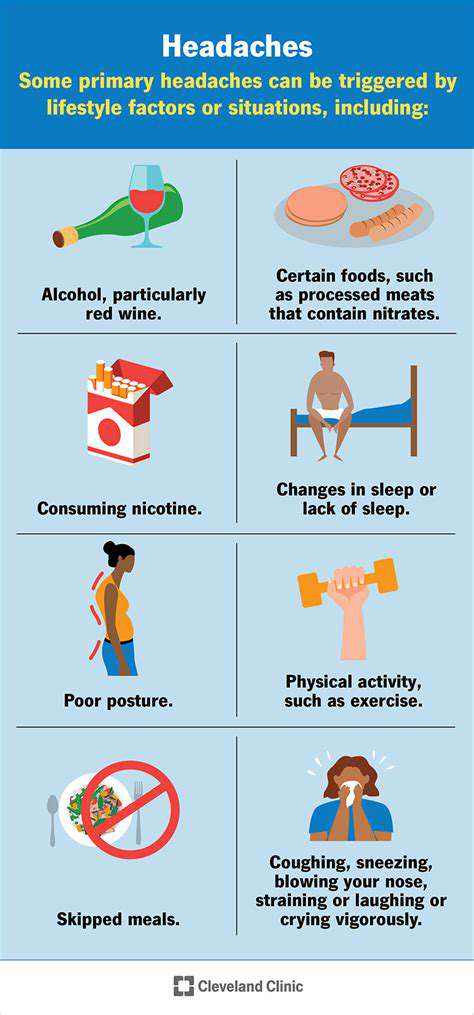
Poor sleep quality is a frequently overlooked factor in migraine management. Research indicates that individuals suffering from migraines often report inadequate sleep, which can serve as both a trigger and a consequence. Studies show that around 50% of migraine sufferers experience sleep disturbances on a regular basis.
Inadequate sleep can lead to heightened sensitivity to pain and increased frequency of migraine attacks. Maintaining a consistent sleep schedule is vital. Aim for a consistent bedtime and wake time, even on weekends, as irregular sleep can exacerbate migraine symptoms.
How Stress Affects Sleeping Patterns
- Stress can disrupt sleep, which in turn may lead to increased migraine attacks.
- Mindfulness and relaxation techniques can help reduce stress and improve sleep quality.
- A calm evening routine promotes better sleep hygiene.
Stress is not just a mental strain; it can significantly impact how well you sleep. Chronic stress is known to alter sleep patterns, potentially leading to insomnia or fragmented sleep, both of which can act as migraine triggers. Therefore, finding effective Stress management techniques is crucial.
Consider incorporating practices such as yoga, meditation, or deep-breathing exercises to enhance relaxation before bedtime.
Environmental Factors Influencing Sleep
External elements such as noise, light, and temperature can drastically affect your sleep environment. Exposure to excessive light from screens before bed can suppress melatonin production, leading to poor sleep quality and, subsequently, migraine attacks. Thus, establishing a dark, quiet sleeping area is essential.
Temperature is also a critical factor; studies have shown that cooler environments generally promote deeper sleep. If you're struggling with sleep disturbances, consider adjusting the thermostat or using blackout curtains to minimize outside disturbances.
Sleep Hygiene Practices for Migraine Prevention
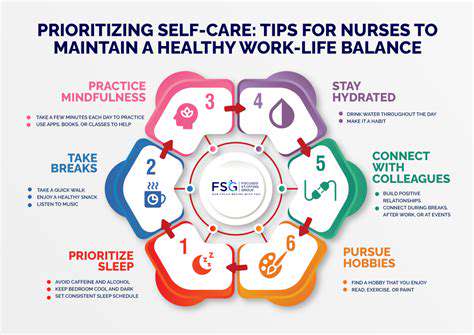
Practicing good sleep hygiene cannot be overstated when it comes to preventing migraines. This includes keeping a sleep diary to monitor sleep patterns, maintaining a regular sleep schedule, and developing a relaxing pre-sleep routine. Additionally, reducing caffeine and alcohol intake, especially before bedtime, can contribute positively to sleep quality.
Creating an active wind-down routine will signal your body that it’s time to relax. Engage in calming activities like reading or enjoying a warm bath. Personalized strategies may also help, as everyone's sleep needs are unique.
The Role of Napping in Migraine Management
Napping can serve as a double-edged sword. While short naps can help alleviate sleep debt, longer naps or irregular napping patterns can interfere with nighttime sleep and trigger migraines. It’s all about balance.
Aim for naps of no longer than 20 to 30 minutes, ideally taken early in the afternoon. This can provide a quick rejuvenation without jeopardizing nighttime sleep. Recognizing the optimal time and duration can make all the difference in migraine management.
3. Screen Time: The Digital Drain
Impact on Sleep Quality
Excessive screen time, especially before bedtime, can severely impact sleep quality. Studies show that blue light emitted from screens inhibits melatonin production, a hormone essential for regulating sleep cycles. The National Sleep Foundation recommends reducing screen usage at least one hour before sleep to facilitate better rest.
Inadequate sleep not only contributes to fatigue but can also heighten the risk of migraine attacks. A study published in the journal Headache found that participants with sleep disturbances reported a higher frequency of migraine episodes. For those prone to migraines, prioritizing sleep hygiene and reducing screen time could offer significant relief.
Connection with Eye Strain
Prolonged exposure to screens can lead to Digital eye strain, a condition often characterized by discomfort, headaches, and impaired focus. Research suggests that up to 70% of adults experience some symptoms related to this condition, particularly among heavy technology users. Symptoms can exacerbate migraine triggers by increasing tension and irritation in the visual system.
To mitigate eye strain, consider the 20-20-20 rule: every 20 minutes, look at something 20 feet away for at least 20 seconds. Incorporating regular breaks during screen time allows your eyes and brain to recover, potentially reducing both eye-related issues and migraine occurrences.
Furthermore, ensuring proper lighting while using digital devices can also help alleviate strain. Adjust settings on devices to warmer tones and lower brightness to create a more comfortable viewing experience.
Strategies for Reducing Screen Time
Managing screen time can be challenging, but implementing practical strategies can make a significant difference. Start by setting daily limits on device use, particularly for social media and entertainment applications. Apps designed to track usage and restrict access during certain hours can provide accountability and promote healthier habits.
Engaging in alternative activities such as reading physical books, exercising, or outdoor activities can offer refreshing breaks while also providing mental and physical health benefits. These lifestyle changes, in tandem with reduced screen exposure, can contribute to a decreased frequency of migraines.
Lastly, establishing tech-free zones in your home encourages family interaction and reduces the temptation to reach for devices. Creating such spaces supports not only your well-being but fosters a healthier relationship with technology overall.
4. Environmental Factors: The Sneaky Sources

Indoor Air Quality: A Hidden Culprit
- Indoor air quality can significantly impact migraine frequency.
- Common allergens such as dust, mold, and pet dander may trigger migraines.
- Volatile organic compounds (VOCs) from household products can increase sensitivity.
Many individuals are unaware that Indoor air quality plays a crucial role in their overall health. Research indicates that pollutants and allergens inside our homes can trigger migraines in susceptible people. Common sources of indoor pollution include dust mites, mold spores, and even smoke from cooking. Ensuring proper ventilation and air purification can help reduce these triggers.
It is vital to be conscious of the products we use for cleaning or decorating our homes. For instance, volatile organic compounds (VOCs) released from paint, furniture, and cleaning agents can contribute to an unhealthy environment. Regularly airing out rooms and choosing low-VOC products can make a significant difference.
Lighting Conditions: The Visual Stressors
Lighting plays a more vital role in our day-to-day lives than we often realize. Certain types of lighting, particularly fluorescent bulbs and screens emitting blue light, can worsen migraine symptoms. Studies suggest that fluctuating brightness levels can trigger attacks, making it imperative to consider the lighting in your environment. Adjusting your workspace or living area with softer, natural light sources can lead to substantial improvement.
Moreover, glare from screens can lead to eye strain, which is another potential migraine trigger. If you're spending long hours in front of a computer, consider using anti-glare glasses or filters. Creating a balanced lighting setup, where screens are not the primary light source, can help mitigate this risk.
Weather Variability: Don't Underestimate the Elements
The weather can seem like an uncontrollable factor in our lives, but understanding its impact on migraines can help us prepare better. Rapid changes in temperature or humidity levels can instigate migraine episodes for many individuals. Data has shown that migraine patients can experience increased frequency during thunderstorms or unusually hot days. Keeping a diary of weather conditions alongside migraine occurrences can help identify personal patterns.
Furthermore, barometric pressure fluctuations are often overlooked yet play a crucial role. Many migraineurs report their migraines aligning with weather changes, particularly when a cold front moves in. Some experts recommend preventive measures such as staying hydrated and avoiding outdoor activities during extreme weather conditions to help manage the likelihood of an attack.
5. Diet: The Hidden Ingredients
Common Diet Triggers for Migraines
Many individuals unknowingly consume foods that can trigger migraines, leading to persistent discomfort. Common culprits include aged cheeses, processed meats, and fermented products, which contain tyramine—a compound that can constrict blood vessels and induce headaches. According to a study published in the journal *Neurology*, nearly 40% of migraine sufferers reported tyramine-containing foods as significant triggers.
In addition, artificial sweeteners like aspartame have been frequently cited as potential migraine triggers. Research suggests that these sweeteners may affect neurotransmitter regulation in the brain, leading to headache onset in sensitive individuals. Thus, it's essential to read food labels carefully to identify and eliminate these potential triggers from your diet.
Importance of Keeping a Food Diary
Maintaining a food diary can be an invaluable tool for identifying personal Dietary Triggers that may lead to migraines. By meticulously recording what you eat and when migraines occur, you may uncover patterns that associate specific foods with headache onset. This practice can significantly enhance your ability to manage dietary triggers.
Hydration and Dietary Considerations
Staying hydrated is crucial for preventing migraines, as dehydration can exacerbate headache episodes. Inadequate water intake can lead to diminished cognitive function and increased sensitivity to pain. Therefore, aim to drink at least eight glasses of water daily, or more depending on your activity level, to ensure optimal hydration.
Moreover, integrating a balanced diet rich in omega-3 fatty acids, magnesium, and vitamins can contribute to overall neurological health. Foods such as fatty fish, leafy greens, and nuts are beneficial. Focus also on gradual changes to your diet rather than drastic alterations, which can be more easily maintained over time and provide greater insight into how your body reacts to different foods.
Read more about