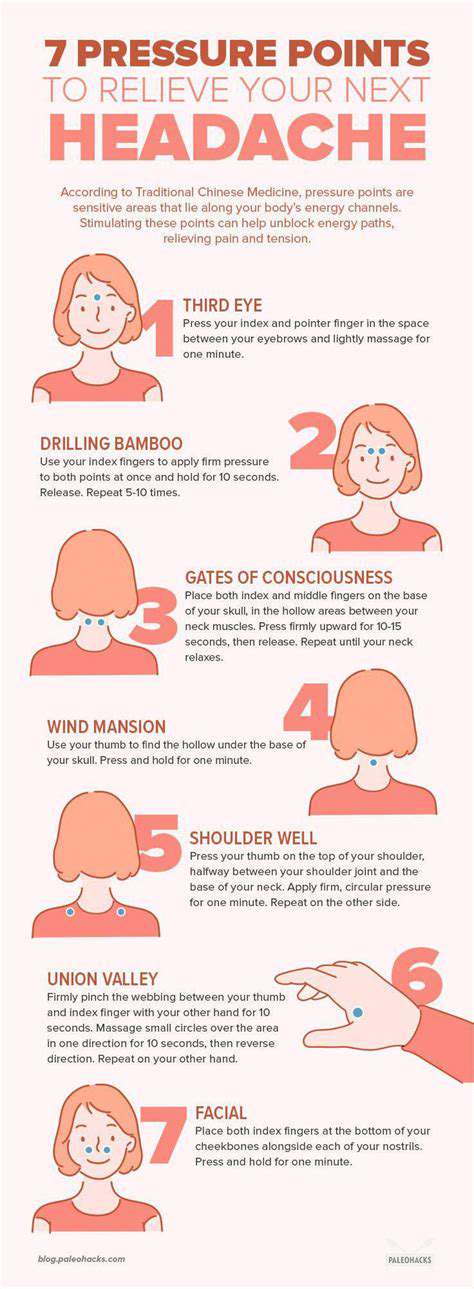
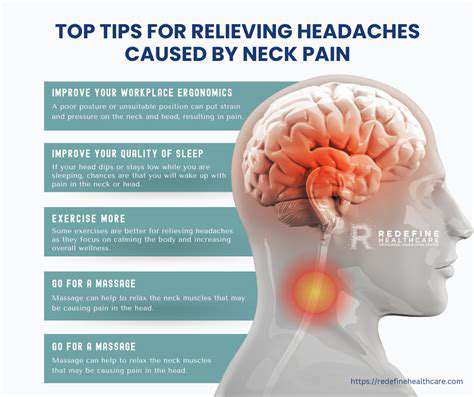
One of the primary ways that stress influences tension headaches is through muscle tension. When under stress, individuals often unknowingly tighten the muscles in their neck and scalp, which can lead to discomfort and subsequently trigger a headache. This muscle tightness can become a habitual response to stress, making it harder to alleviate symptoms.
Additionally, stress can cause changes in hormone levels, particularly cortisol. Elevated cortisol levels can heighten sensitivity to pain, potentially exacerbating headache symptoms. This physiological response can make even minor stressors lead to significant discomfort.
The Psychological Impact of Stress on Headache Frequency
Chronic stress can have a profound impact on headache frequency and severity. Individuals living in high-stress environments may experience more frequent headaches than those with healthy Stress management routines. Recent studies indicate that individuals with high levels of perceived stress report headaches occurring more than 15 days per month.
The psychological burden of dealing with frequent headaches can, in itself, create a vicious cycle. People may start to fear the onset of headaches, leading to increased anxiety and stress, which further exacerbates the problem. This highlights the importance of effective stress management strategies.
Effective Stress Management Techniques
To mitigate tension headaches, incorporating effective stress management strategies is essential. Techniques such as mindfulness meditation, yoga, and regular physical activity can help reduce stress significantly. Evidence shows that individuals who engage in regular exercise experience reduced headache frequency and intensity.
Additionally, proper time management and setting realistic expectations can alleviate stressors that lead to tension headaches. Establishing clear boundaries in both professional and personal life can contribute to a more balanced lifestyle, ultimately diminishing headache occurrences.
When to Seek Professional Help
For many individuals, implementing stress management techniques may be sufficient to control their tension headaches. However, there are instances when seeking professional help is crucial. If headaches become chronic or debilitating, consulting a healthcare provider is recommended. Persistent headaches may indicate underlying health issues that need to be addressed.
Furthermore, a healthcare professional can be invaluable in developing a tailored treatment plan, which may include therapeutic interventions or medication, if necessary. Early intervention can prevent more serious complications and improve overall quality of life.
The Importance of a Holistic Approach
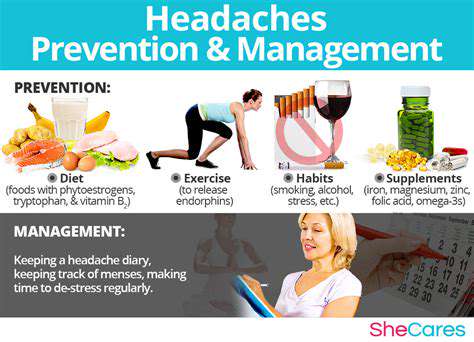
A holistic approach addressing both physical and psychological aspects of health is crucial in managing tension headaches. This includes considering lifestyle factors such as diet, exercise, and sleep patterns. Nutritional deficiencies, for example, can heighten the susceptibility to headaches.
Incorporating relaxation techniques, such as deep breathing exercises or progressive muscle relaxation, can also aid in managing stress levels and minimizing headache occurrences. By adopting a comprehensive strategy, individuals can gain better control over their stress and subsequently, their tension headaches.
Signs and Symptoms of Tension Headaches

Common Physical Symptoms of Tension Headaches
Those experiencing tension headaches typically report a range of physical symptoms. The most common include a dull, persistent ache that feels like a tight band around the head. This sensation can vary in intensity but is often described as mild to moderate in terms of discomfort. Some individuals also report neck and shoulder tightness or pain, which can exacerbate the headaches.
Tension headaches can lead to physical discomfort over time. If not addressed, this pain can make normal activities challenging, reducing productivity levels. Adequate rest, hydration, and appropriate ergonomic setups while working can be helpful preventive measures.
Mood Changes and Emotional Symptoms
The emotional impact of tension headaches should not be underestimated. Many individuals report feelings of irritability, anxiety, or even mild depression accompanying the headaches. These Emotional fluctuations can be linked to chronic pain and, over time, may contribute to a cycle of increasing stress and headache frequency. Recognizing these symptoms is crucial for managing overall well-being.
Moreover, releasing tension through relaxation techniques can significantly improve mood. Simple practices such as mindfulness meditation or gentle yoga might reduce both headache occurrences and emotional distress. It’s important to try different methods and find what suits you best.
Duration and Frequency of Headaches
The duration and frequency of tension headaches can vary significantly among individuals. For some, these headaches may last only a few hours, while others might experience them over several days. Frequent episodes can indicate a chronic pattern, which can be alarming. Tracking symptoms and seeking medical advice can lead to effective management strategies.
- Acute tension headaches may occur intermittently.
- Chronic tension headaches often happen 15 or more days per month.
- A headache diary can be useful for identifying triggers.
Taking notice of headache patterns can also help determine whether stress management techniques are effective. People may find it beneficial to record when headaches occur and what might have contributed to their onset. This information can aid in developing effective coping strategies.
Physical Triggers and Environmental Factors
Certain environmental and physical factors can trigger tension headaches. Common culprits include prolonged screen time, poor posture, and inadequate lighting conditions. Often, the simple act of adjusting your workspace can significantly reduce headaches. Proper ergonomics play a vital role in preventing these types of headaches.
Apart from physical triggers, external stressors like noise levels or a cluttered environment can exacerbate symptoms. It is essential to create a conducive atmosphere, both at home and in the workplace, to mitigate these triggers. Consider implementing changes gradually, as even small adjustments can lead to more significant improvements.
Strategies for Managing Stress and Tension Headaches
Understanding the Role of Stress in Headaches
Stress is often viewed as a catalyst in triggering tension headaches. Studies indicate that over 90% of individuals with chronic tension-type headaches report stress as a significant factor. This high correlation highlights the need to address stress management as a critical component of headache treatment.
Moreover, when the body experiences stress, it triggers the release of hormones such as cortisol and adrenaline. These hormones can lead to muscle tightness and increased pain sensitivity, further exacerbating existing headache conditions. Recognizing stress as a physiological and psychological trigger is essential for effective headache management.
Practicing Mindfulness and Meditation
Mindfulness and meditation techniques have been shown to reduce the frequency and severity of tension headaches. Research published in the Journal of Pain found that participants who practiced mindfulness had a 32% reduction in headache days per month. These practices can lower stress levels and promote relaxation, serving as effective preventive tools.
Incorporating short mindfulness sessions into your daily routine can enhance emotional regulation and decrease anxiety. Even just 10 minutes of focused breathing can help reset your mental state, making it easier to cope with stressors that might trigger headaches.
Physical Activity and Its Benefits
Physical activity is an effective way to manage stress and reduce tension headaches. Engaging in regular exercise releases endorphins, which are natural pain relievers, and reduces levels of stress hormones in the body. A study in the American Journal of Preventive Medicine noted that individuals who exercised regularly experienced fewer headache episodes compared to sedentary individuals.
Identifying and Avoiding Triggers
Keeping a headache diary can be beneficial for identifying specific triggers related to tension headaches. By noting down factors such as food, stress levels, and sleep patterns, you can pinpoint what may be contributing to your headaches. Common triggers include inadequate hydration, poor posture, or excessive screen time.
Lifestyle Adjustments and Ergonomics
Small changes in your day-to-day life can make a significant impact on stress levels and headache frequency. Adjusting your workspace to a more ergonomic setup can help alleviate muscle tension, especially if you spend long hours seated. Activities such as stretching, taking regular breaks, and practicing good posture can also contribute to reduced stress and headache symptoms.
Professional Treatments and Therapies
In some cases, consulting a healthcare professional may be advisable for recurrent tension headaches. Therapies like cognitive-behavioral therapy (CBT) have proven effective in reducing stress and, ultimately, headache occurrences. A systematic review published in the Cochrane Database noted that patients receiving CBT reported fewer headache episodes over time.
When to Seek Further Help
It is crucial to understand when self-management isn't enough and professional help is warranted. If tension headaches persist despite trying various strategies, or if they escalate in intensity, it may be time to consult a neurologist or headache specialist. They can provide personalized management plans and assess any underlying conditions contributing to the headaches.
Read more about