Acetaminophen is one of the most common over-the-counter pain relievers. This medication works primarily in the central nervous system, making it effective for reducing fever and relieving mild to moderate pain, such as headaches, muscle aches, and toothaches. Understanding how Acetaminophen functions can help when deciding on its use for specific ailments.
This drug is often recommended for individuals who cannot tolerate non-steroidal anti-inflammatory drugs (NSAIDs) due to stomach irritation or bleeding risks. For these patients, acetaminophen often serves as a safer, yet effective alternative. However, caution should be exercised with dosing since excessive intake can lead to serious liver damage.
Non-Steroidal Anti-Inflammatory Drugs (NSAIDs): Varieties and Specific Benefits
- Common NSAIDs include ibuprofen, naproxen, and aspirin.
- They effectively reduce inflammation, pain, and fever.
- Each NSAID has unique dosage instructions and potential side effects.
NSAIDs, such as ibuprofen and naproxen, are popularly used for their anti-inflammatory properties in addition to pain relief. These medications help to alleviate conditions like arthritis, menstrual cramps, and muscle strains by targeting inflammation directly.
Choosing the right NSAID often depends on personal health factors. For instance, aspirin is generally avoided in children due to the risk of Reye's syndrome, while ibuprofen might be better for short-term pain management.
Comparing Aspirin and Ibuprofen: Considerations and Recommendations
Aspirin and ibuprofen belong to the NSAID category but have some distinct differences. Aspirin offers additional cardiovascular protection by inhibiting platelet aggregation, which can prevent blood clots. However, it can cause gastrointestinal distress, making it less suitable for some individuals.
On the other hand, ibuprofen is gentler on the stomach while still offering effective pain relief. For those with chronic pain issues, alternating between these medications might optimize relief without exceeding recommended doses.
Safety and Side Effects of Common Pain Relievers
While over-the-counter pain relievers are generally safe for most people, they are not without risks. Both acetaminophen and NSAIDs can lead to side effects like gastrointestinal bleeding, kidney damage, or liver issues if taken improperly.
Regular check-ups with a healthcare provider, especially for individuals on long-term pain management regimens, are essential. Monitoring liver and kidney function can prevent adverse effects and promote safer usage of these medications.
Personalization of Pain Relief: Tailoring Options to Individual Needs
When selecting an over-the-counter pain reliever, it is crucial to consider personal health conditions and preferences. Factors like age, underlying medical conditions, and potential drug interactions should guide choices. For those with a history of ulcers or kidney disease, acetaminophen may be more suitable.
Additionally, some people might prefer topical analgesics or combination therapies for localized pain relief, such as patches or gels. Ultimately, Individualized treatment plans will yield the best outcomes. Consulting with a pharmacist or physician can further enhance safety and efficacy in pain management strategies.
1. Nonsteroidal Anti-Inflammatory Drugs (NSAIDs)
1. Mechanism of Action of NSAIDs
Nonsteroidal anti-inflammatory drugs (NSAIDs) work primarily by inhibiting cyclooxygenase enzymes (COX-1 and COX-2). These enzymes are crucial in the biosynthesis of prostaglandins, which are lipid compounds that mediate inflammation, pain, and fever. By blocking these enzymes, NSAIDs effectively reduce the production of prostaglandins, leading to decreased inflammation and alleviation of pain. Studies have shown that this mechanism contributes to the reduction of symptoms in conditions such as arthritis and post-operative pain.
There are two main types of COX enzymes, and their inhibition has different implications. While COX-1 inhibition may lead to gastrointestinal side effects, COX-2 selective inhibitors aim to provide pain relief with fewer adverse effects on the stomach lining. This differentiation is important, especially for patients with a history of peptic ulcers or chronic gastrointestinal issues. Consulting a healthcare provider about the appropriate NSAID can guide choices based on individual health profiles.
2. Common NSAIDs Available Over-the-Counter
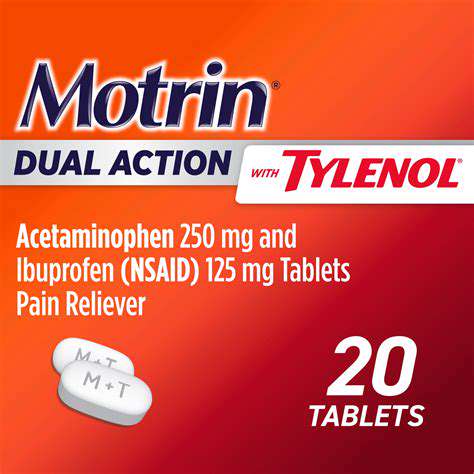
Among the most recognized NSAIDs available over-the-counter (OTC) are ibuprofen and naproxen. Ibuprofen, often marketed under brands like Advil or Motrin, is effective for various types of pain, including headache, muscle aches, and menstrual cramps. The usual adult dosage is 200-400 mg every four to six hours, with a maximum daily limit to avoid complications such as renal impairment and gastrointestinal bleeding. On the other hand, naproxen, commonly found as Aleve, has a longer half-life and is often preferred for chronic pain management due to its extended duration of action; typically, adults take 220 mg every eight to twelve hours.
Acetylsalicylic acid, widely known as aspirin, is another NSAID that is commonly used for pain relief. However, its anticoagulant properties make it useful not only for pain but also for cardiovascular health. It's important to note that while these medications can effectively manage pain, proper dosage and duration of use should be observed to mitigate potential side effects. Individuals with existing medical conditions or those taking other medications should seek guidance from healthcare professionals to prevent interactions and complications.
结合GPT-5的能力,升级您的自动化外贸工作流,节省大量时间。
2. Acetaminophen
Overview of Acetaminophen
Acetaminophen, also known as paracetamol, is a widely used over-the-counter medication known for its effectiveness in relieving mild to moderate pain and reducing fever. It is often recommended for headaches, muscle aches, arthritis, backaches, toothaches, colds, and fevers.
- Effective for mild to moderate pain relief.
- Commonly used to reduce fever.
- Available in various forms such as tablets, liquids, and suppositories.
In 2020, acetaminophen was among the top medications prescribed in emergency departments across the United States. This indicates its popularity and the trust that healthcare professionals place in its efficacy. Unlike NSAIDs (non-steroidal anti-inflammatory drugs), acetaminophen does not have significant anti-inflammatory properties, making its use cases somewhat specific.
Dosage Recommendations
The recommended dosage for adults typically ranges from 325 mg to 1000 mg every 4 to 6 hours, not to exceed 3000 mg per day to minimize the risk of liver damage. For children, dosage is often determined based on weight. It is crucial for caregivers to follow specific dosing guidelines to ensure safety.
Overdosing on acetaminophen can lead to Severe liver injury, which may require medical intervention. Therefore, it's important to keep track of total daily ingestion, particularly if someone is taking multiple medications that contain acetaminophen.
Potential Side Effects
While acetaminophen is generally well-tolerated, some individuals may experience adverse effects. Common side effects include nausea, rash, and stomach pain. More serious adverse effects are rare but can lead to liver failure, especially in individuals with pre-existing liver conditions or those who consume alcohol excessively.
It's advisable to monitor for signs of an allergic reaction, such as difficulty breathing or swelling of the face. If these symptoms appear, seeking medical attention is critical.
Interactions with Other Medications
Acetaminophen can interact with other drugs, potentially altering their effects. For example, medications that affect liver enzymes, such as certain anticonvulsants and alcohol, may increase the risk of liver damage. Patients should always consult their healthcare provider or pharmacist regarding all medications they take, including over-the-counter drugs, to identify any potential interactions.
When integrating acetaminophen into a pain management plan, it's also essential to consider other medications prescribed for chronic conditions such as diabetes or hypertension. Understanding the full medication profile helps in minimizing risks while maximizing relief.
Considerations for Special Populations
Certain populations, especially pregnant women and nursing mothers, should consult healthcare providers before using acetaminophen. While considered safer compared to some alternatives, dosage adjustments may be necessary based on individual health circumstances.
Elderly individuals may also require careful dosage consideration due to changes in metabolism and comorbid conditions that affect liver function. Everyone should engage in discussions with their healthcare providers to assess their personal needs effectively.
Final Thoughts on Acetaminophen
Acetaminophen remains a go-to solution for many dealing with pain and fever. It boasts a favorable safety profile when used as directed and has been continuously recommended for various conditions. However, exceeding the recommended dosage or combining with other medications that contain acetaminophen can lead to serious health risks.
Regular evaluation and understanding your body’s response to the medication can enhance its effectiveness and safety. Being informed about acetaminophen’s potential benefits and risks empowers consumers to make better health decisions. Carry this vital information in mind to ensure optimal use of this common pain reliever.
3. Topical Pain Relievers

Understanding Different Types of Topical Pain Relievers
Topical pain relievers come in various formulations, catering to different types of pain. Common options include gels, creams, patches, and ointments, each designed to target pain effectively. Choosing the right format depends on the specific application and your comfort preference.
For instance, gels tend to absorb quickly and are ideal for localized pain, whereas patches provide prolonged relief. Many over-the-counter options contain active ingredients such as menthol, camphor, or salicylate, which create a cooling or warming sensation to distract from discomfort. Users should carefully read labels to identify the active ingredients and their intended uses.
Key Benefits of Topical Pain Relievers
Topical pain relievers offer numerous advantages over oral pain medications. For one, they provide Targeted relief without the systemic side effects often associated with ingested drugs. For individuals with conditions like arthritis or muscle strain, applying these formulations directly to the affected area can lead to significant improvement in daily functioning.
- Localized application reduces the risk of systemic side effects.
- Quick relief is often achieved due to rapid absorption through the skin.
- Many formulations include additional soothing ingredients for enhanced comfort.
Furthermore, topical options are particularly beneficial for those who are sensitive to oral medications or want to avoid potential gastrointestinal issues. This makes them a go-to choice for many seeking efficient pain management without the complications of systemic treatments.
Considerations and Recommendations for Use
While topical pain relievers are widely available, there are essential factors to consider before use. First, individuals should assess their skin type and any potential sensitivities to ingredients. It's advisable to perform a patch test before extensive application, especially for those with sensitive skin.
Moreover, it's crucial to follow dosage instructions provided on the product package or by healthcare professionals. Overuse can lead to skin irritation or diminishing effectiveness. In certain cases, combining topical treatments with complementary therapies, such as physical therapy, can enhance overall pain relief. Always consult with a healthcare provider for personalized recommendations based on specific pain conditions.
Choosing the Right OTC Pain Reliever
Understanding Different Types of OTC Pain Relievers
Over-the-counter (OTC) pain relievers can be broadly categorized into nonsteroidal anti-inflammatory drugs (NSAIDs), acetaminophen, and aspirin. NSAIDs like ibuprofen and naproxen effectively reduce pain and inflammation, making them ideal for conditions like arthritis or muscle strains. In contrast, acetaminophen primarily alleviates pain and fever but lacks anti-inflammatory properties. Each medication offers unique benefits depending on the specific pain condition being treated.
Aspirin, a traditional pain reliever, falls under the same category as NSAIDs, though it has additional properties as a blood thinner. It can be beneficial for those needing cardiovascular protection but may not be suitable for those with certain health issues, such as bleeding disorders. Understanding the specific type of pain and the mechanism of action for each medication is key in making an informed decision.
Moreover, some OTC Pain Relievers are formulated with combination ingredients, such as acetaminophen with caffeine. This combination can enhance the efficacy of pain relief for conditions like headaches and migraines. Knowing these distinctions ensures that individuals can select the appropriate medication for their specific pain types.
Considerations Before Choosing a Pain Reliever
Before settling on an OTC pain reliever, several factors should be considered, including existing medical conditions and potential drug interactions. For instance, individuals with liver conditions should avoid acetaminophen, as it can exacerbate liver damage. It's also crucial to avoid mixing NSAIDs with other medications that can increase bleeding risk, such as anticoagulants. A thorough review of current medications can help mitigate any potential health risks.
Additionally, assessing the intensity and duration of pain can guide the choice of OTC products. Chronic pain conditions may require more comprehensive approaches, including physical therapy or prescription medications. For acute pain, a short course of an appropriate OTC pain reliever can be effective and safe. Patient preference, such as the ease of use or previous experiences with a certain medication, should also be taken into account.
Advice for Safe Usage of OTC Pain Relievers
Proper dosage and understanding when to seek medical advice are vital when using OTC pain relievers. Always adhere to the labeled dosage instructions and never exceed the recommended limits, as this can lead to serious side effects, including gastrointestinal bleeding or liver damage. In general, it is recommended to consult a healthcare provider if the pain persists beyond three days of OTC treatment or worsens over time.
Maintaining a pain diary can also be beneficial. Documenting the type, intensity, and duration of pain helps both users and healthcare providers track what works best and identify any patterns in pain management.
Lastly, consider lifestyle modifications that can complement OTC pain relief strategies. For instance, integrating exercise, stretching, or mindfulness techniques can enhance the effectiveness of pain relievers and support overall well-being. Adopting a holistic approach to pain management is not only safe but can lead to greater long-term outcomes.
Read more about