Implementing Flexible Work Hours allows employees to manage their workload around their migraine patterns. For example, if migraines typically occur at certain times of the day, individuals can adjust their schedules to maximize productivity during their most alert hours. Organizations that embrace flexible time frames can create an environment where employees feel respected and understood.
Studies have shown that workplaces offering adaptable schedules see higher employee satisfaction and retention rates. Flexible hours not only support those affected by migraines but also improve overall workplace culture. Employers must consider offering options such as remote work and adjustable time slots to cater to diverse needs.
Creating a Migraine-Friendly Workspace
The physical work environment plays a significant role in minimizing migraine triggers. Factors like bright fluorescent lights, excessive noise, and poor air quality can exacerbate symptoms. Organizations should invest in adjustable lighting options and noise-reducing measures to help employees manage their conditions more effectively.
Ergonomic adjustments, such as providing standing desks or comfortable seating, can also be beneficial. Even small changes, like allowing employees to personalize their workspaces to create a calming atmosphere, can significantly impact their well-being and productivity levels. A workplace equipped to handle these specifics demonstrates a commitment to the health of its employees.
Utilizing Technology for Better Management
Various apps and technologies are available to assist those managing migraines. Scheduling tools can help track patterns related to auras and symptoms, making it easier for employees to predict and prepare for episodes. Some applications can also remind users to take breaks or drink water, which contributes to overall wellness.
Employers should consider providing training on utilizing these digital tools effectively, thereby empowering employees to take charge of their health while at work. Adopting technology in this way fosters a supportive atmosphere that prioritizes productivity and individual well-being.
Open Communication and Support Systems
Encouraging open communication about health issues, including migraines, can create a more inclusive work environment. Employees should feel comfortable discussing their conditions without fear of stigma. Training managers on how to address these topics sensitively can enhance understanding and support within teams.
Moreover, establishing a peer support system can benefit those experiencing migraines. Colleagues can share their coping strategies and advice, fostering a sense of community and mutual assistance. Support groups or wellness initiatives may further enhance workplace morale and provide employees with invaluable resources to navigate their challenges effectively.
不要只看搜索量,分析用户搜索意图才是找到高商业价值词的核心方法。
Implement Practical Coping Mechanisms

Identify Triggers and Patterns
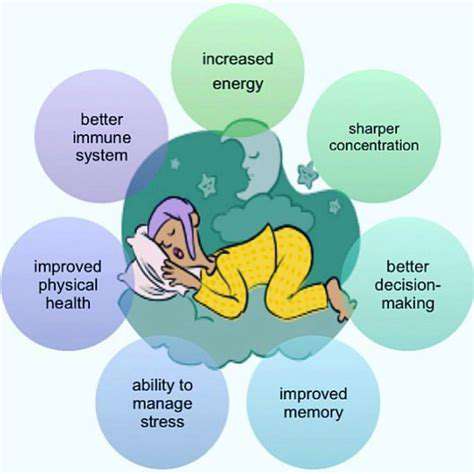
Understanding what triggers a migraine aura is crucial for creating effective coping mechanisms. Common triggers include stress, sleep disturbances, certain foods, and sensory overload. By keeping a detailed Migraine Diary, individuals can accurately track their symptoms and pinpoint specific patterns that may lead to an episode.
This information becomes invaluable when developing strategies to mitigate the impact of migraines at work. For instance, if you notice that bright lights heighten your symptoms, it’s wise to use blue light glasses or adjust your work environment accordingly.
Utilize Mindfulness Techniques
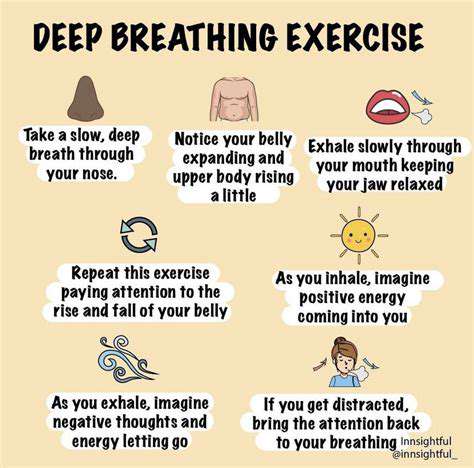
Mindfulness and meditation practices can effectively reduce stress, a significant trigger for migraines. Techniques such as guided breathing or focused attention can help you achieve a sense of calm. Incorporating even just a few minutes of mindfulness into your daily routine can create a buffer against migraine onset.
There are numerous apps that offer short meditation sessions designed specifically for busy professionals. Engaging in these practices, even at your desk, can lead not only to improved focus but also decrease the likelihood of triggering a migraine.
Maintain a Balanced Routine
Building a consistent daily schedule can help minimize the unpredictability of migraine auras. Aim to have regular meal times, hydration breaks, and sufficient rest. It's important to remember that a poor diet or dehydration can trigger migraines, so keeping snacks with you is a practical approach. One study highlighted that individuals who maintained stable meal routines experienced fewer migraine episodes.
- Eat small, frequent meals to stabilize blood sugar levels.
- Stay hydrated by drinking plenty of water throughout the day.
- Prioritize sleep hygiene to ensure adequate rest.
Implement Ergonomic Workspace Adjustments
A well-structured workspace can make a substantial difference when dealing with migraine auras. Ensure your monitor is at eye level and use anti-glare screens to minimize strain. Studies suggest that working in a comfortable position can prevent muscle tension, which may aggravate a migraine.
Moreover, consider incorporating adjustable desks or standing desks to break the monotony of sitting. This variety allows for movement and can help manage stress levels, reducing the chance of a migraine flare-up.
Establish Clear Communication with Colleagues
Being transparent with your coworkers about your migraines can facilitate a supportive work environment. Informing them about your condition allows them to understand your needs better. Consider discussing potential accommodations, such as flexible hours or the option to work in a quieter space when necessary.
Research shows that open communication can significantly reduce workplace stress, which is beneficial not just for migraine sufferers but for overall team dynamics. A supportive team atmosphere will not only help you manage your symptoms but also improve your productivity.
Explore Medication and Alternative Solutions
Consulting a healthcare professional is essential for managing migraine symptoms effectively. There are various medications available that can provide relief during auras. Additionally, some individuals find relief through alternative therapies such as acupuncture or chiropractic care. It's important to explore multiple options to determine what works best for you.
Moreover, biofeedback techniques have been shown in studies to significantly decrease the frequency of migraines for some individuals. Discussing these options with a specialist can help create a personalized treatment plan that minimizes interruptions to your work life.
Social anxiety disorder, often abbreviated as SAD, manifests in a range of distressing symptoms that significantly impact daily life. These symptoms are typically more intense and persistent than the occasional nervousness or shyness most people experience in social situations. Individuals experiencing social anxiety frequently exhibit physical manifestations such as a racing heart, sweating, trembling, and difficulty breathing. They might also experience a profound fear of being judged, scrutinized, or embarrassed by others, leading to avoidance of social gatherings and interactions.
Communicate with Your Colleagues

Understanding Migraine Auras
Migraine auras are neurological symptoms that can precede or accompany a migraine headache. About 25% of individuals with migraines experience auras. These auras can manifest as visual disturbances, sensory changes, or speech difficulties, affecting communication directly.
The visual aspect can include flickering lights, zigzag lines, or blind spots. Many people may struggle to articulate what they're experiencing due to these disturbances. It's crucial for colleagues to understand that these symptoms, while often temporary, can be incredibly disruptive and challenging to communicate through.
Effective Communication Strategies
When afflicted with a migraine aura, direct and clear communication becomes essential. Try to stick to non-verbal cues when possible—whether it’s using signs, nods, or messages. Utilizing emails or chat applications can be beneficial when face-to-face discussions seem daunting and overwhelming.
- Use clear and specific language.
- Consider employing visual aids when discussing complex topics.
- Be concise to avoid unnecessary confusion.
Moreover, establishing a protocol for urgent communication during an aura helps alleviate pressure. A simple system can save time and energy for both the individual and colleagues.
Creating a Supportive Work Environment
A supportive workplace culture is vital for individuals managing migraines. Encourage open discussions among team members about migraine triggers and mitigation strategies. Fostering an environment where employees can voice their health needs will not only promote inclusivity but enhance productivity.
Offering flexible work arrangements, such as working from home during acute migraine episodes, can benefit both the employee and employer. Teams should make efforts to remain understanding and adaptive, which can significantly improve individual well-being and overall team cohesion.
Utilizing Technology for Better Interaction
Embracing technology can greatly facilitate communication during migraine instances. Tools like instant messaging apps, video conferencing, or project management software can help convey thoughts and updates without face-to-face interactions. Such technologies offer flexibility, allowing individuals to contribute without the stress of being in a traditional meeting.
Additionally, recording important discussions can be helpful. This allows individuals to revisit details discussed while they were experiencing symptoms, ensuring they do not miss critical information.
Encouraging Team Awareness and Training
It's imperative to foster team awareness regarding migraine auras. Regular training sessions on recognizing such conditions can empower colleagues to support each other effectively. They can learn about the signs and how to engage with affected colleagues appropriately, which can greatly increase empathy and reduce stigma.
Creating materials like cheat sheets or quick reference guides for team members regarding migraine auras can enhance understanding and foster a more inclusive workplace culture. This knowledge not only aids in individual interactions but can improve overall team dynamics and solidarity.
Evaluate Your Triggers and Adjust Your Environment
Identify Personal Triggers
Each person's experience with migraines is unique, making it crucial to identify what specifically triggers your migraines. Common triggers include stress, certain foods, dehydration, and lack of sleep. Keeping a migraine diary can help you track patterns over time, leading to valuable insights.
Research suggests that about 80% of migraine sufferers can pinpoint specific triggers. By identifying your own, you can take proactive steps to minimize exposure to these factors. For instance, if you notice that bright lights trigger your migraines, adjusting your workspace lighting could make a significant difference.
Optimize Your Workspace
Your environment plays a significant role in your productivity, particularly when dealing with migraines. Ensure that your workspace is well-organized, reducing clutter that can contribute to stress. A clean and neat environment can help improve focus and overall comfort.
Consider investing in ergonomic furniture to ensure proper posture, which can alleviate some tension in your neck and back. Additionally, personalizing your workspace with calming elements, such as plants or soothing colors, can create a more favorable atmosphere for productivity during migraine episodes.
Maintain Proper Hydration
Dehydration is a known migraine trigger, yet many individuals overlook their daily water intake. Adults generally require about 2-3 liters per day, depending on factors like activity level and climate. Keeping a water bottle at your desk serves as a visual reminder to drink more frequently throughout the day.
To encourage hydration, consider creating a hydration schedule or setting reminders on your phone. Developing this habit could potentially reduce the frequency of migraines, helping you stay productive at work even during an aura phase.
Implement Noise Reduction Strategies
Excessive noise is often exacerbating for migraine sufferers; therefore, incorporating noise-reduction strategies into your work routine is essential. This may involve using noise-canceling headphones or even simple earplugs to block out distracting sounds.
Many workplaces can become noisy environments, impacting both concentration and comfort. If possible, communicate your needs to supervisors; they may allow adjustments, such as a quieter workspace or flexible work hours, to accommodate your situation.
Set Boundaries with Colleagues
Establishing clear boundaries with coworkers can help minimize stress, which is often a significant migraine trigger. Be open about your condition and communicate that there are times when you need to maintain a lower stimulus level to be productive.
Your colleagues may be more understanding than you expect. Consider setting specific do not disturb times on your calendar to help others respect your needs during flare-ups. This approach promotes an understanding work culture that can alleviate pressure and reduce the potential for migraines.
Utilize Relaxation Techniques
Incorporating relaxation techniques into your routine can greatly assist with managing migraine symptoms. Practices such as deep breathing, mindfulness meditation, or gentle stretching can help alleviate stress and prevent tension buildup.
Studies have shown that even brief sessions of relaxation can reduce migraine frequency. Setting aside a few minutes during your workday for these exercises not only enhances your well-being but can also improve overall productivity levels.
Consult with a Medical Professional
While lifestyle adjustments can have a lasting impact, it's essential to consult a healthcare professional for tailored advice. A neurologist or headache specialist can provide insights into treatment options, including medications or alternative therapies that suit your specific needs.
Moreover, keeping abreast of recent studies in migraine management can also empower you with knowledge. For example, the latest research may reveal promising new treatments or therapies that could significantly enhance your quality of life at work.
Read more about