Contents
Maintain regular sleep patterns to reduce migraine frequency.
Stay hydrated daily to prevent migraine triggers.
Adopt a balanced diet, avoiding known trigger foods.
Manage stress with mindfulness and relaxation techniques.
Limit caffeine and alcohol intake to mitigate migraine risks.
Create a supportive environment to lower migraine severity.
Keep a migraine diary to track symptoms and triggers.
1. Maintain Regular Sleep Patterns

Understand Your Sleep Needs
To effectively reduce migraine frequency, first, you need to identify *your Unique Sleep Patterns*. Understanding how many hours of sleep you genuinely need is crucial. Research shows that adults typically require 7 to 9 hours per night, but individual needs can vary significantly based on factors such as age, lifestyle, and health. Therefore, it’s essential to be aware of how your body responds to sleep.
Keeping a sleep diary can be beneficial in this process. By tracking your sleep duration, quality, and how you feel during the day, you can start to identify patterns or disruptions. This self-awareness is an important step in managing your migraine triggers effectively.
Set a Consistent Sleep Schedule
Establishing a regular sleep schedule is one of the best ways to improve your sleep quality. Try to go to bed and wake up at the same time every day, even on weekends. This consistency reinforces your body’s natural circadian rhythms, making it easier to fall asleep and wake up naturally. When your body knows what to expect, your overall sleep quality improves.
- Aim for the same bedtime and wake time even on weekends.
- Limit naps to avoid disrupting your night's sleep.
- Use alarms or reminders to build consistency.
Create a Relaxing Sleep Environment
Your sleep environment significantly impacts your ability to fall and stay asleep. Ensure your bedroom is conducive to sleeping by keeping it dark, quiet, and cool. Consider using blackout curtains, earplugs, or white noise machines to minimize disturbances. In addition, your mattress and pillows should offer adequate support, tailored to your preferences.
Removing electronic devices from your bedroom can also help improve your sleep quality. The blue light emitted by screens can interfere with the production of melatonin, the hormone responsible for regulating sleep, making it harder to fall asleep at night.
Limit Stimulants Before Bedtime
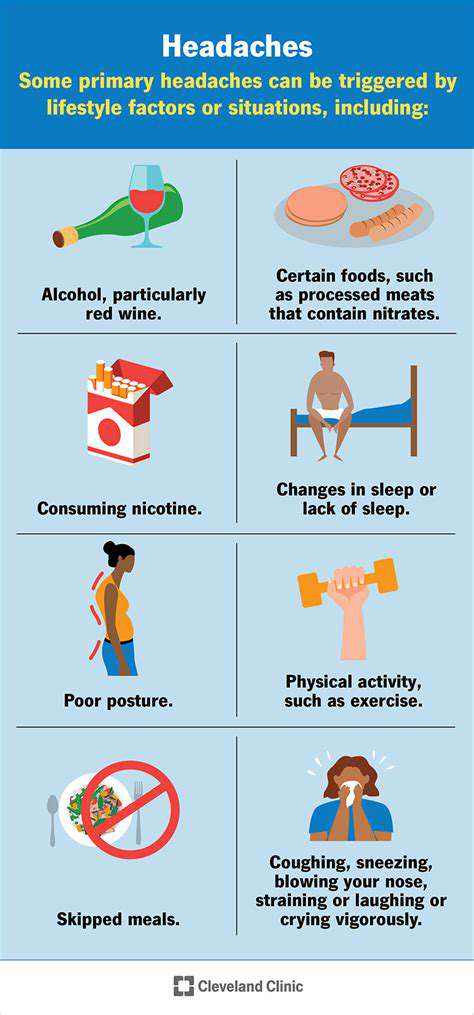
Avoid consuming caffeine and nicotine several hours before going to bed. Both substances are stimulants that can keep you awake longer than desired. Furthermore, be cautious with alcohol as it may initially make you feel drowsy but can disrupt sleep quality later in the night.
Research shows that caffeine can linger in your system for several hours, leading to difficulty falling asleep. It’s wise to establish a cut-off time for these stimulants so your sleep isn't affected noticeably.
Practice Wind-Down Techniques
Incorporating relaxation techniques into your nighttime routine can significantly benefit sleep quality. Activities such as gentle yoga, reading a calming book, or taking a warm bath can signal your body it's time to wind down. *Creating a transition from the day’s activities to sleep prepares your body for rest, helping reduce the chances of nighttime migraines.*
Mindfulness practices like meditation or deep-breathing exercises can also be beneficial before bedtime, promoting a peaceful state of mind and improving overall sleep quality.
Be Mindful of Food Intake Before Bed
What you eat in the evening can also influence your sleep patterns. Heavy or rich meals too close to bedtime can lead to discomfort and prevent restful sleep. Try to finish eating at least two to three hours before you plan to sleep. Instead, opt for lighter snacks if necessary.
Foods rich in magnesium, such as almonds, or those high in melatonin, like cherries, can support better sleep. Understanding your body’s reactions to different foods can help you create a better night-time eating strategy.
Seek Professional Advice When Necessary
If you're consistently struggling to maintain a regular sleep pattern despite implementing these strategies, it may be beneficial to seek professional help. A Healthcare Provider or sleep specialist can offer targeted interventions or treatments. They may conduct a sleep study or suggest cognitive behavioral therapy for insomnia if deemed necessary.
Remember, consistent sleep patterns are vital for preventing migraine attacks. Always prioritize your sleep as an integral part of your overall well-being and migraine management strategy.
2. Stay Hydrated
Understanding the Importance of Hydration
Hydration is crucial not only for maintaining overall health but also for managing migraine symptoms effectively. The body's requirement for water increases during physical activity, hot weather, or illness, and a deficiency can trigger migraines. It is recommended that individuals consume at least 8–10 glasses of water daily, but needs may vary based on individual activity levels and climatic conditions.
Research indicates that dehydration can lead to a decrease in blood volume, which may result in reduced oxygen flow to the brain. This can contribute to the onset of a migraine attack, according to a study published in the American Journal of Medicine. Thus, keeping well-hydrated can play a significant preventative role.
Signs of Dehydration
Recognizing the early Signs of Dehydration can help you take proactive measures before headaches escalate. Symptoms such as dry mouth, fatigue, and dizziness should not be ignored. These can escalate into more severe symptoms, including confusion and fainting, which demonstrate the body's urgent need for fluids.
Another common sign is dark-colored urine, which indicates insufficient hydration. Keeping track of these indicators can help you assess your hydration status more effectively and encourage timely fluid intake.
Best Practices for Staying Hydrated
One effective practice for ensuring adequate hydration is to carry a refillable water bottle throughout your day. This serves as a constant reminder to drink water, turning this habit into part of your daily routine. Many find that setting hourly reminders on their phones also helps in maintaining regular hydration levels.
Additionally, incorporating water-rich foods, such as fruits and vegetables, into your diet can enhance hydration. Foods like watermelon, cucumbers, and oranges not only supplement water intake but also provide essential vitamins and minerals that benefit overall health.
The Role of Electrolytes
While drinking water is essential, maintaining the right balance of electrolytes can further aid in hydration efficiency. Important electrolytes such as sodium, potassium, and magnesium facilitate bodily functions and help retain water, preventing fluctuations in hydration levels. These electrolytes can be lost through sweat during intense exercises or hot weather.
Including electrolyte-rich beverages or supplements, particularly during physical exertion, can prevent dehydration-related migraines. Sports drinks can be beneficial in this context, but it is advisable to check their sugar content before consumption.
Monitoring Your Fluid Intake
Tracking your daily water consumption can help ensure you meet your hydration goals. Various mobile applications are available that allow users to log their fluid intake easily. Many of these apps also offer reminders, making it convenient to stay on top of hydration.
Consider keeping a hydration journal as well, where you can note down how your fluid intake affects your migraines. This personalized data may help locate patterns, allowing you to adjust your hydration habits effectively.
Consulting with a Healthcare Professional
For individuals suffering from chronic migraines, discussing hydration strategies with a healthcare professional may provide personalized insights. A doctor or dietitian can help assess your specific hydration needs based on your lifestyle, physical activity, and dietary habits.
Engaging in regular conversations about hydration can also help identify potential underlying conditions that might exacerbate migraine frequency. By addressing both hydration and other factors, a more comprehensive approach to migraine management may be achieved.
3. Adopt a Balanced Diet
Understanding Nutritional Triggers
Identifying foods that trigger migraines is a critical step in adopting a balanced diet. Common culprits include aged cheeses, processed meats containing nitrates, and fermented foods. By understanding how these foods interact with your body, you can make informed dietary choices. Keeping a food diary can be beneficial in documenting your meals and migraine occurrences, helping to pinpoint specific triggers over time.
Research published in the journal *Cephalalgia* indicates that chocolate and caffeine can also exacerbate migraine symptoms in some individuals. Individuals who consume these items regularly may find that their sensitivity fluctuates, further complicating dietary management. Being aware of your own body’s reactions can provide insights that help prevent future migraines.
Consulting with a registered dietitian can also be advantageous, as they can assist in tailoring a diet that minimizes your exposure to these triggers while ensuring you receive balanced nutrition. This can create a sustainable approach to managing your diet and your migraines.
Building a Balanced Plate
A balanced plate consists of a variety of nutrients important for overall health. Each meal should include a mix of vegetables, whole grains, healthy fats, and proteins. Not only do these components provide essential vitamins and minerals, but they also contribute to stable blood sugar levels, which can help mitigate the frequency and severity of migraines. For example, complex carbohydrates found in whole grains can provide sustained energy, reducing the likelihood of energy dips that may provoke headaches.
Additionally, incorporating a range of colorful fruits and vegetables into your meals can supply antioxidants, which are known to have anti-inflammatory properties. Spinach, berries, and sweet potatoes are great examples of foods that can contribute to both physical health and migraine prevention.
To make meal preparation easier, consider planning weekly menus that include these balanced components. This not only simplifies shopping and cooking but also ensures you consistently consume a variety of nutrients necessary for health.
Hydration’s Role in Migraine Management
Staying hydrated is often overlooked in the context of managing migraines. Dehydration is a well-known trigger for many headache types. The general recommendation is to drink about 2 to 3 liters of water daily, but individual needs may vary based on activity level and climate. A good practice is to carry a reusable water bottle to encourage regular sips throughout the day.
Add seasonal fruits or herbs to your water for both flavor and additional nutrients. Infused waters can make hydration more enjoyable while ensuring you’re consuming enough fluids. A creative mix of lemon, cucumber, and mint can offer a refreshing alternative to plain water without introducing any migraine triggers.
Mindful Eating Practices
Practicing mindful eating can significantly enhance your dietary experience and improve overall health. This involves paying full attention to your meal, savoring each bite, and being aware of your body’s hunger and fullness cues. When you eat quickly or while distracted, it can lead to overeating and digestive discomfort, both of which may trigger migraines. Slow down and make mealtime a special occasion.
Additionally, consider the environment while you eat. A calm, quiet setting can create a more enjoyable experience and help you relax, reducing the likelihood of triggering a headache. Limiting multitasking, such as using devices while eating, can enhance your focus on the meal and better regulate your body's signals.
For individuals who find certain flavors or meal times aggravating, schedule meal times to align with when you feel least prone to migraines. Tailoring your dining experience can support both your dietary needs and migraine management strategy.
4. Manage Stress Effectively
Understanding Stress Triggers
Identifying what specifically causes your stress can significantly aid in managing migraines. Common triggers include workplace pressure, family obligations, or financial concerns. Keeping a stress journal can be beneficial; note when stress peaks and correlate it with headache days. Research indicates that pinpointing these triggers can help in formulating coping strategies.
Additionally, environmental factors such as noise, overcrowding, and lighting can exacerbate stress levels. By recognizing these triggers, you can develop a plan to mitigate their effects. For example, opting for a quieter workspace or using noise-canceling headphones can minimize distractions and help maintain a more relaxed environment.
Effective Stress Management Techniques
Adopting various stress management techniques can help to lessen migraine frequency. Mindfulness meditation is particularly effective, with studies showing it can reduce the frequency and intensity of headaches. Practicing mindfulness involves focusing on the present moment and acknowledging thoughts without judgment, which can help in reducing the overall stress response.
Additionally, regular physical exercise plays a critical role in stress relief. Activities like walking, yoga, or cycling not only improve physical health but also promote the release of endorphins, which act as natural stress relievers. Aim for at least 150 minutes of moderate aerobic activity each week to gain optimal benefits.
Another useful technique is deep-breathing exercises. Taking slow, deep breaths can help activate the body’s relaxation response, diminishing stress levels. Allocate a few minutes daily to practice deep breathing, especially when you feel anxiety creeping in.
Building a Support System
Social support is crucial in managing stress effectively. Surround yourself with friends, family, or support groups who understand your struggles with migraines. Having a person to talk to during tough times can alleviate some of the mental burdens you may carry. Research shows that emotional support can significantly decrease stress and promote better health outcomes among migraine sufferers.
Participating in support groups, whether online or in person, can provide additional comfort and shared experiences. These platforms can also offer valuable insights into coping strategies that have worked for others, fostering a sense of community and understanding.
Moreover, don’t hesitate to seek professional help if needed. Therapists or counselors can provide tailored strategies for managing stress, offering an objective perspective that friends and family might not be able to provide. Cognitive-behavioral therapy (CBT), for instance, has shown efficacy in treating stress-related disorders and could be beneficial for migraine management.
Regular Evaluations and Adjustments
To manage stress effectively, it's vital to periodically evaluate your stress management strategies. Lifestyle changes or adjustments to your routine might be necessary to adapt to new challenges. Regularly assessing what methods are working and what aren’t allows for more effective targeting of stressful situations or triggers. An annual check-in with yourself can be a great way to recognize patterns and make needed changes.
Moreover, taking time to relax and rejuvenate is essential. Prioritize sleep, hobbies, and downtime among your responsibilities. Engaging in pleasant activities can effectively counterbalance stressors, leading to a healthier mind and body. The 80/20 rule can be helpful here—spend roughly 80% of your time on productive activities, allowing yourself 20% for fun and relaxation.
Finally, it’s important to maintain flexibility with your strategies. What works today may not remain effective in the future, so being open to exploring new techniques and continuously educating yourself on stress management can lead to lasting improvements in your migraine prevention efforts.
5. Limit Caffeine and Alcohol Intake
Understanding the Impact of Caffeine on Migraines
Caffeine consumption can trigger migraines in susceptible individuals, as it affects blood flow and alters neurotransmitter activity. According to a study published in the *American Journal of Medicine*, nearly 34% of people report that caffeine worsens their migraine symptoms. While moderate intake can alleviate headache pain by constricting blood vessels, excessive caffeine or sudden withdrawal can lead to rebound headaches, making it crucial for migraine sufferers to monitor their intake closely.
Health experts generally recommend limiting caffeine to 200-300 mg per day, which is roughly equivalent to two to three cups of coffee. However, since individual tolerance varies, migraine patients should maintain a headache diary to track reactions to different levels of caffeine. This personalized approach can help manage consumption and mitigate potential triggers effectively.
Evaluating Alcohol Consumption
Alcohol can be a significant headache trigger for many, particularly red wine and beer. Research published in *The Journal of Headache and Pain* has shown that as little as one glass of wine can provoke migraine attacks in susceptible individuals. This occurs due to the presence of histamines and sulfites in alcohol, which can lead to dilation of blood vessels, potentially resulting in a painful headache.
Moreover, the dehydration caused by alcohol can exacerbate migraine symptoms. If you suspect that alcohol may be contributing to your migraines, it might be beneficial to cut back or explore alternatives like non-alcoholic beverages. Staying well-hydrated while still enjoying social occasions can significantly improve your overall wellbeing and reduce migraine frequency.
6. Create a Supportive Environment

Understanding the Importance of a Supportive Environment
Creating a Supportive Environment for individuals dealing with migraines is essential. Studies indicate that environmental triggers can significantly influence the frequency and severity of migraine episodes. By minimizing these triggers, you can create a more conducive atmosphere for relaxation and healing.
It's crucial to understand the specific factors that contribute to your migraines. For example, exposure to bright lights, loud noises, and strong odors can exacerbate symptoms. Keeping your immediate surroundings calm and controlled can help diminish these triggers.
Identifying and Minimizing Triggers
- Recognize common migraine triggers, such as weather changes or specific foods.
- Implement sensory tools, like blackout curtains or white noise machines.
- Communicate with family or roommates about your needs and preferences.
One of the first steps in creating a supportive environment is identifying personal triggers. This could range from dietary components like aged cheeses to environmental ones such as flickering lights. It's vital to maintain a diary or use apps to track patterns.
Designing a Calm Space
Your physical space should be designed to promote peace. Use inviting colors, soft lighting, and comfortable furniture to create a relaxing ambiance. Incorporating elements like plants or art can also enhance the mood and help in reducing stress levels.
Additionally, consider setting aside a dedicated area in your home for relaxation - a meditation corner or a reading nook can serve as a retreat during migraine days. This space should be free from clutter and distractions to ensure it remains a sanctuary when needed.
Open Communication with Loved Ones
A key aspect of a supportive environment is effective communication. Sharing your experiences and needs with family and friends allows them to understand your condition better. This ensures they can provide the support you need, whether it’s helping you maintain a quiet atmosphere or being mindful of certain topics that might stress you out.
Moreover, educating your loved ones about migraines helps foster empathy. They may be more willing to adapt their behavior and environments around you, effectively reducing the strain and pressure that can lead to escalation of symptoms.
Access to Stress-Relief Tools
To create a supportive environment, incorporate tools that aid in stress relief. Practices like yoga, meditation, and deep-breathing exercises can effectively reduce migraine frequency. Having resources such as apps, guided meditation sessions, or relaxation music readily available contributes to a more peaceful environment.
Additionally, consider engaging in hobbies that relax you. Whether it’s drawing, knitting, or gardening, finding activities you enjoy can be a great way to occupy your mind and mitigate stress.
Encouraging a Healthy Lifestyle
A supportive environment is not limited to physical space; it also encompasses lifestyle choices. Eating a balanced diet, staying hydrated, and maintaining a Consistent Sleep Schedule creates a solid foundation for well-being. Research shows that lifestyle changes can have a profound impact on reducing migraine occurrences.
Encourage those around you to adopt these healthy habits too. Preparing meals together, participating in family exercise routines, or maintaining consistent sleep schedules can strengthen relationships and create a wellness-focused community.
Continuous Assessment and Adjustment
Lastly, remember that creating a supportive environment is an ongoing process. Regularly assess what works and what doesn’t. Reflect on any changes in your lifestyle or environment that may affect your migraine frequency. This might involve tweaking your diet, rearranging your space, or adjusting your daily routines.
Importantly, stay flexible in your approach. What may work one week might not be as effective in another, and that’s perfectly fine. Adaptability is key to maintaining an environment that continues to support your health and well-being.
7. Keep a Migraine Diary
Understanding the Purpose of a Migraine Diary
Keeping a Migraine Diary serves as a crucial tool for identifying patterns and potential triggers that might lead to an attack. Research indicates that individuals who monitor their migraine occurrences can pinpoint specific environmental changes, dietary influences, or stressors that correlate with headache onset. This proactive approach empowers individuals to make informed choices that may reduce their frequency of migraines.
For example, a study published in the journal *Headache* found that tracking not just the migraine occurrences but also associated symptoms can help build a detailed profile over time. This information is beneficial when discussing treatment options with healthcare providers, as it allows for personalized management strategies tailored to the individual's unique migraine profile.
How to Effectively Maintain Your Migraine Diary
To effectively maintain a migraine diary, begin by selecting a method that works best for you, whether it’s a digital app or a traditional notebook. Consistency is key, so make it a habit to jot down entries daily, noting the date, time of the onset, duration, intensity, and any other symptoms that accompany the migraine. It’s also important to record dietary intake, sleep patterns, and stress levels, as these factors can significantly influence migraine occurrences.
As you collect data over time, consider summarizing the insights regularly—perhaps weekly or monthly. Look for trends, such as a spike in migraines related to certain foods or stressful events. Additionally, sharing this compiled information with your healthcare provider can lead to more tailored treatments, and any changes in medication or lifestyle can be adjusted based on the evidence you’ve gathered.
Read more about